Read Like a Thief: The Thirty-Second Assessment Strangers Make Before You Ever Know They're Inside
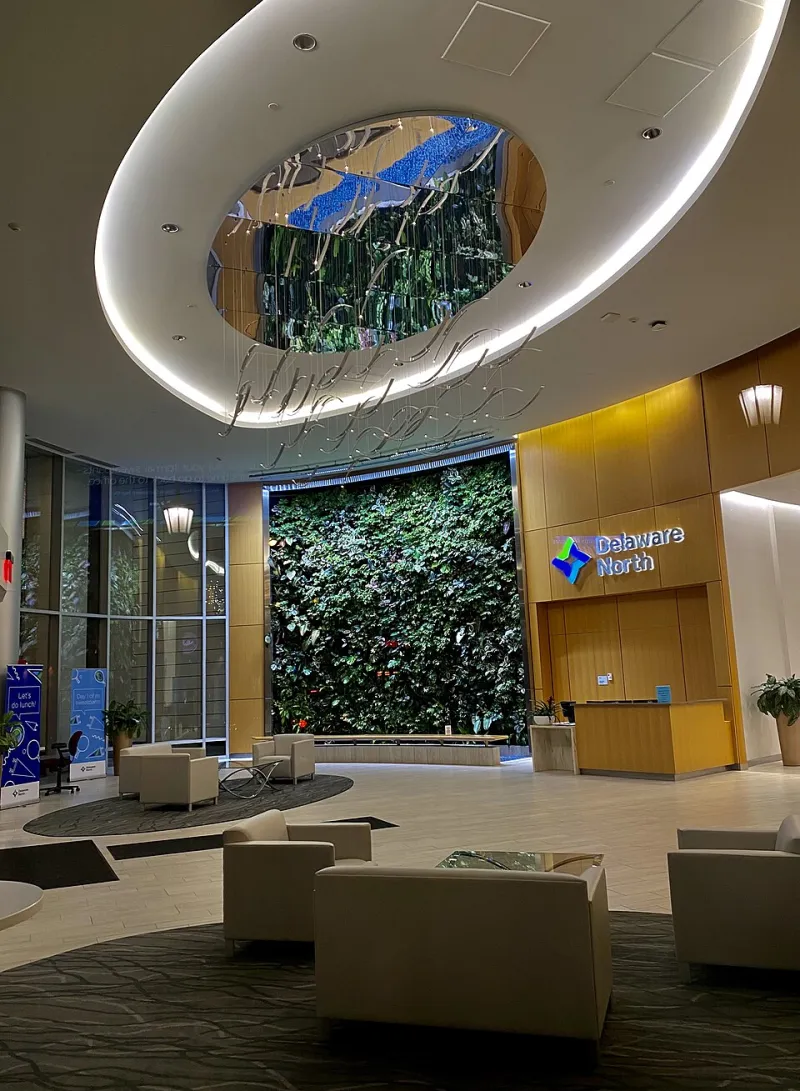
Photo: Andre Carrotflower, CC BY-SA 4.0, via Wikimedia Commons
Every building has a language, and your lobby speaks it fluently. Long before a visitor reaches a reception desk, signs a logbook, or meets a guard, they have already absorbed a stream of information about how seriously you take protection. Career criminals, professional shoplifters, and opportunistic insiders read that language instinctively. The question is whether your entryway is saying what you think it's saying.
What Thirty Seconds Actually Reveals
Experienced offenders describe the same evaluation process again and again in interviews and case studies. It is not sophisticated. It is a rapid scan for signals:
- Is there a visible human presence? A stationed guard or an alert receptionist signals that someone is watching. An empty desk signals that no one is.
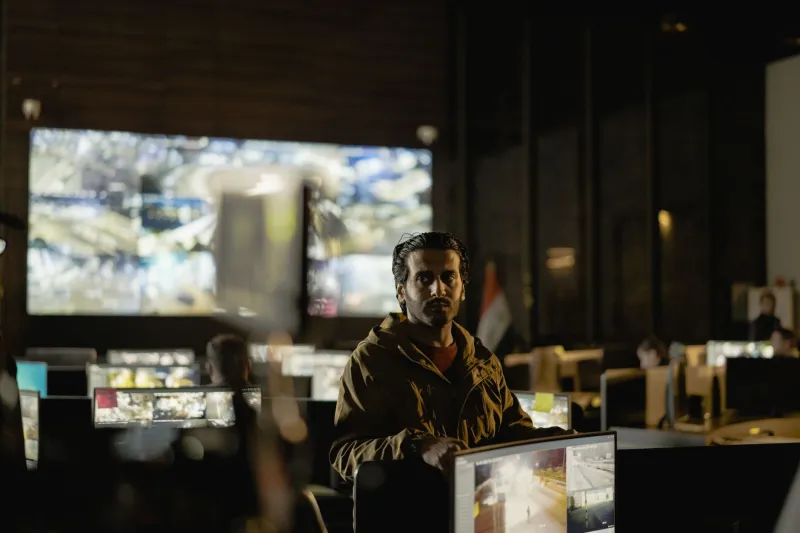
- Do the cameras look operational? Domed units caked in dust, or housings angled at the ceiling, suggest a system nobody monitors.
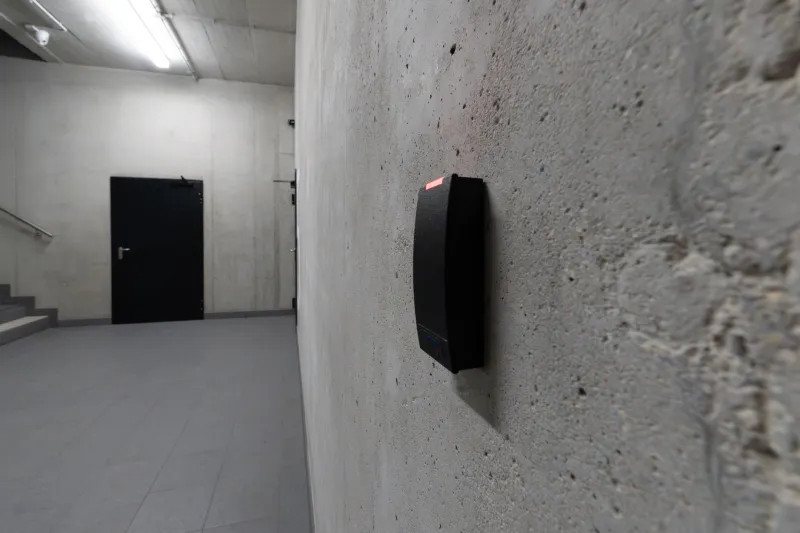
- Is access controlled or merely decorative? A card reader with the door propped open by a rolling cart tells a story that overrides any policy manual.
- Where do the unmonitored paths lead? Stairwells, side corridors, and elevator banks without sightlines are noted immediately.
None of this requires skill. It requires only an eye that knows what to look for — and the uncomfortable truth is that most facility managers have never made that assessment themselves.
The Walk-Through You Haven't Done
Set aside twenty minutes and enter your own building the way a stranger would. Don't use your badge. Observe from the sidewalk, then the lobby. Ask yourself:
- Could I loiter? Benches, coffee stations, and waiting areas are legitimate amenities — but is anyone aware of who is using them and for how long?
- Could I follow someone in? Tailgating through a controlled door remains the single most common physical access defeat in American office buildings.
- Do employees acknowledge strangers? In facilities where staff never make eye contact with unfamiliar faces, an intruder can move with near-total freedom.
- What does the signage communicate? A faded 'All Visitors Must Register' sign that nobody enforces is worse than no sign at all. It advertises that your rules are optional.
- Are the cameras positioned to deter or merely to record? Visible, obviously working cameras at the point of entry prevent incidents. Cameras in a back closet reviewing footage after the fact only document them.
From Vulnerable to Deterrent: A Room-by-Room Approach
The approach. Sightlines from the street or parking area to your entrance matter. Landscaping, signage, and lighting should make the approach feel observed without feeling hostile.
The threshold. This is where deterrence is won or lost. A single, clearly marked entry point with an active greeter or guard post — even part-time — changes the calculus for anyone considering harm or theft.
The lobby floor. Position the reception desk so it faces the entrance, not the interior. Remove blind corners where a person could stand unnoticed. Keep the visitor sign-in process short enough that staff will actually enforce it.
The transitions. Elevators, stairwells, and interior corridors need their own visibility. If the path from your lobby to your tenant floors is unobserved, your controlled front door is protecting exactly nothing.
The Human Element No Camera Replaces
Technology helps, but the strongest signal a lobby can send is a trained person who notices things. A guard who greets visitors, challenges tailgaters courteously, and logs anomalies transforms the entire psychology of the space. Intruders seek environments where they are anonymous; a lobby where a professional looks up, makes eye contact, and asks a simple question removes that anonymity instantly.
Alert Guarding Force has seen the difference repeatedly: identical buildings, identical camera systems, dramatically different incident rates — separated almost entirely by the quality and attentiveness of the human presence at the door.
Your lobby is making an argument about your facility every minute of every day. Make sure it's arguing on your side.